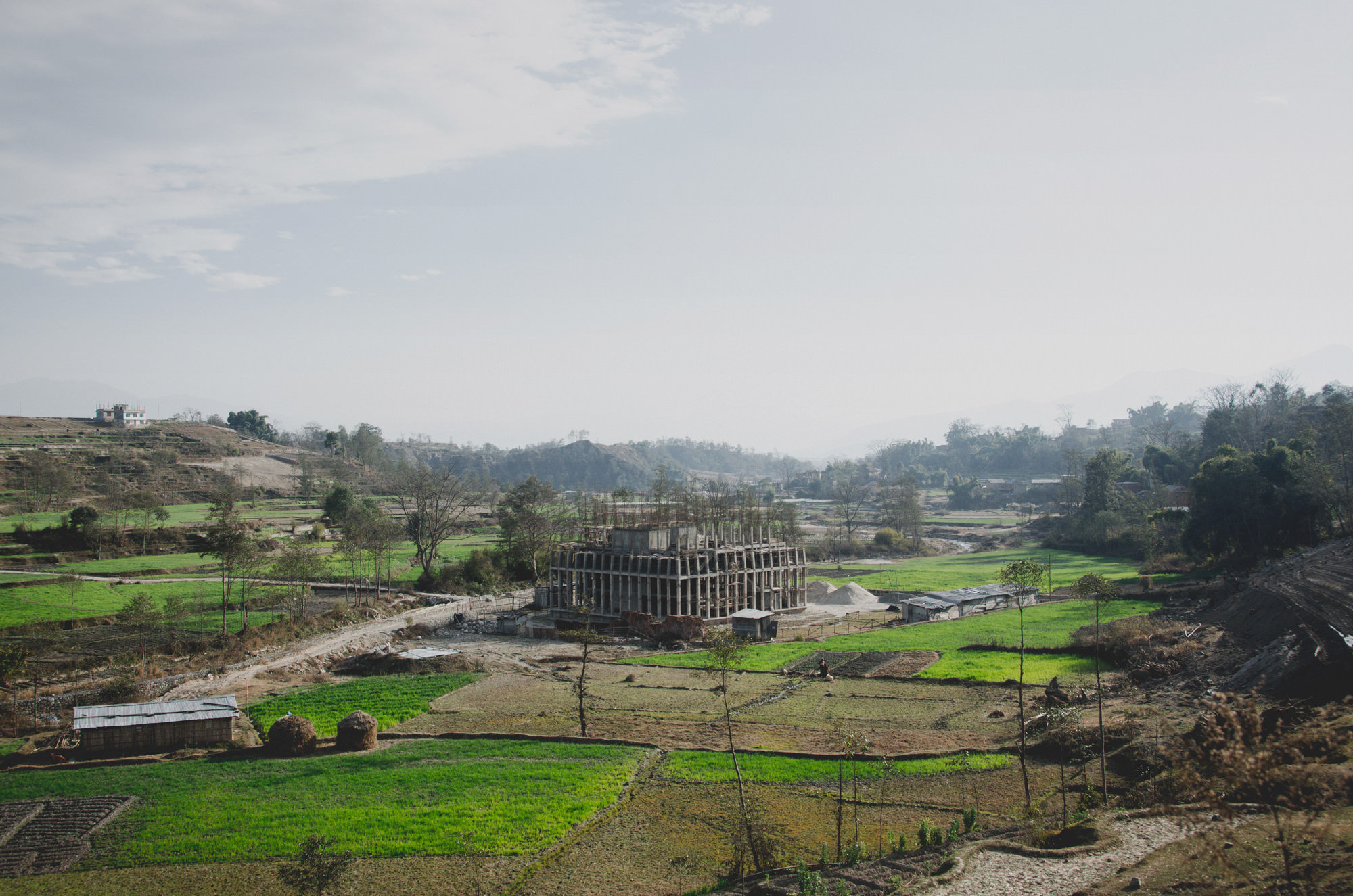
...but we need your help to finish what we started.
Lali Gurans will be the world's first seismic proof self-sustainable orphanage and full public library. The structure, located in the Nepali Himalayas, will not only impact the children and staff it houses, but the local community of 40,000 residents. It will provide a non-institutional atmosphere, making educational resources readily available, and create a healthy codependence between the orphanage and local community. Because of it's self-sustainable systems, it will cost nothing to operate as well as generating its own income.
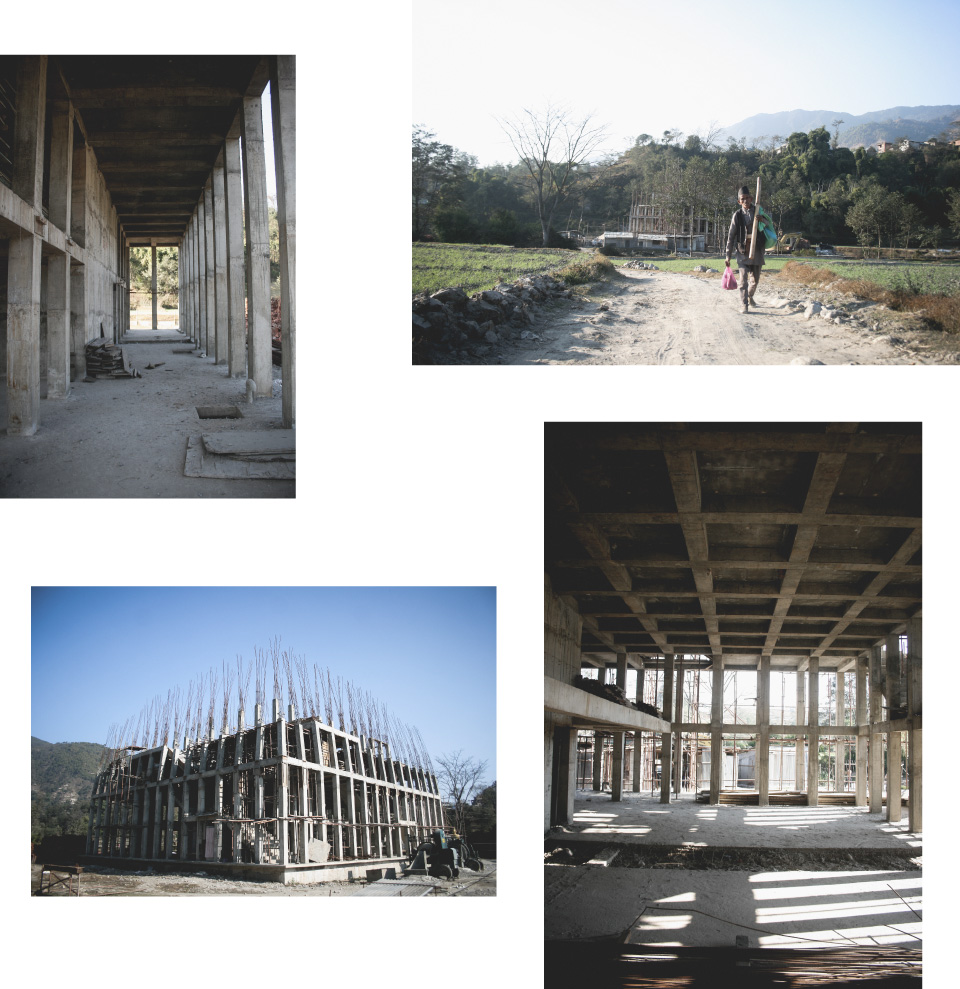
Lali Guarans is nearing completion but has hit a wall in funding and resources. We have decided to engage in alternative solutions to help us finish the building and it’s systems.
Soon we'll be launching our campaign on Kickstarter with the design collective Citizens for Optimism and hand made pendants by the Love Found Organization.
Recent Awards
Lali Gurans has been awarded for it’s design and sustainability, including an AIA award in 2013 and a Holcim Foundation Award in 2014.


The seismic-proof structure and surrounding property will provide food, water, electricity and fuel for the fifty residents. The land is rent-free, making operational costs comparatively low to traditional institutions. Solar-powered heat, cooling and electricity will help to further reduce expenses as well as allow the building to be self-sufficient.
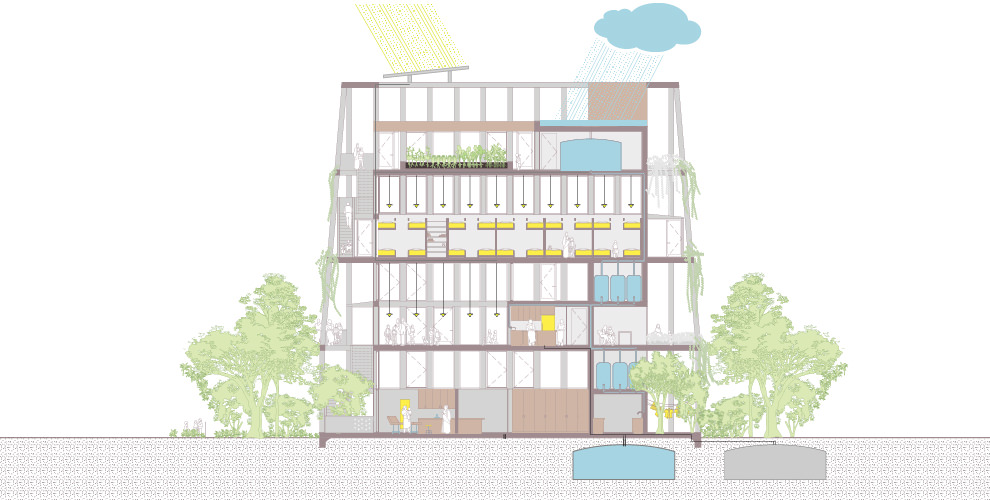
MOS architects designed the building by utilizing functionality, international standards, modern aesthetics, locally available materials and traditional building methods. Keeping the surrounding ecosystem in mind, the structure is earthquake-resistant and designed to make as little environmental impact as possible. Once construction of Lali Gurans is complete it will be able to produce its own food, water and electricity, all while running rent-free.
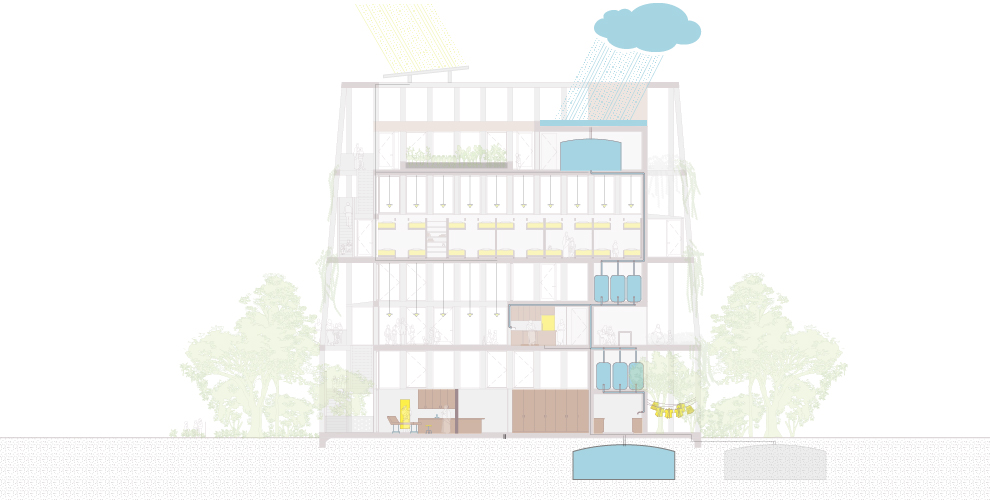
In this region of Nepal, the water table is located just two feet below the ground's surface. Our primary water source will be an onsite open well. Seasonal supplementary water will be harvested during the monsoon season. Both well and rain water will be naturally filtered and stored beneath the building. Clean water is then pumped up to a smaller storage tank on the roof where it can then be used in the kitchen, showers, laundry room, hand washing stations and toilets.
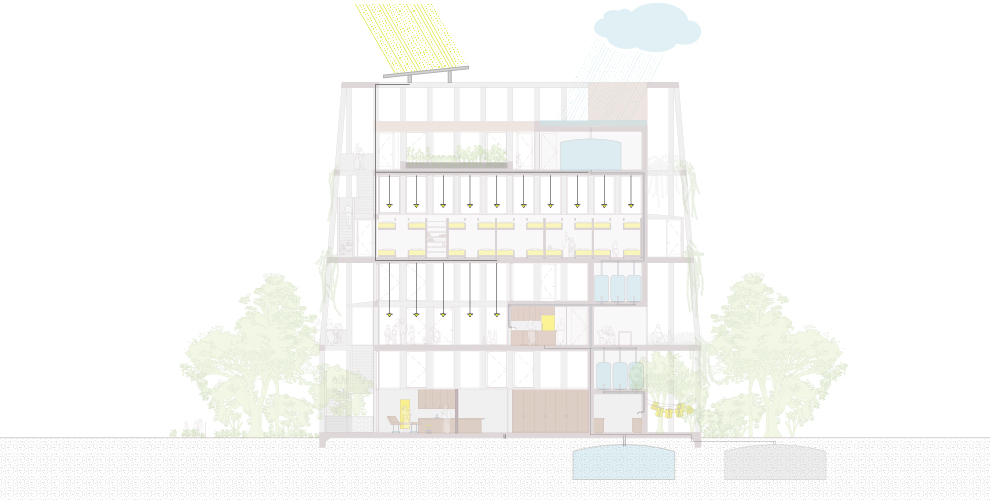
The building will be off the grid and produce its own electricity through photovoltaic panels. To minimize energy use, Lali Gurans will install LED lights so that most of the output will go to the inverter that supplies electricity for the library and computers. The building also maximizes natural light by incorporating custom recycled glass inserts, which will allow sunlight to penetrate all the way to the core of the structure.
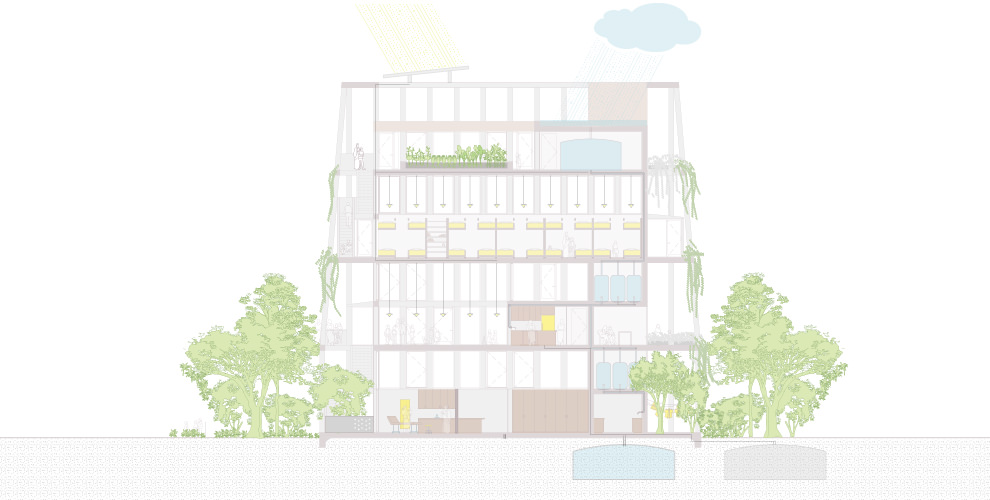
Lali Gurans will produce its own fuel resources from black water waste management&emdash; a sanitary toilet water filtration system that yields methane as a byproduct. A natural process called anaerobic digestion, or biogas, will be used to separate the methane from the waste. After the methane has been harvested, the waste will be filtered through a bed of reeds, then used an organic fertilizer to produce bananas for consumption and finally released to the land as clean water. This process is unique and will give us higher agricultural yield on a more continuous basis.
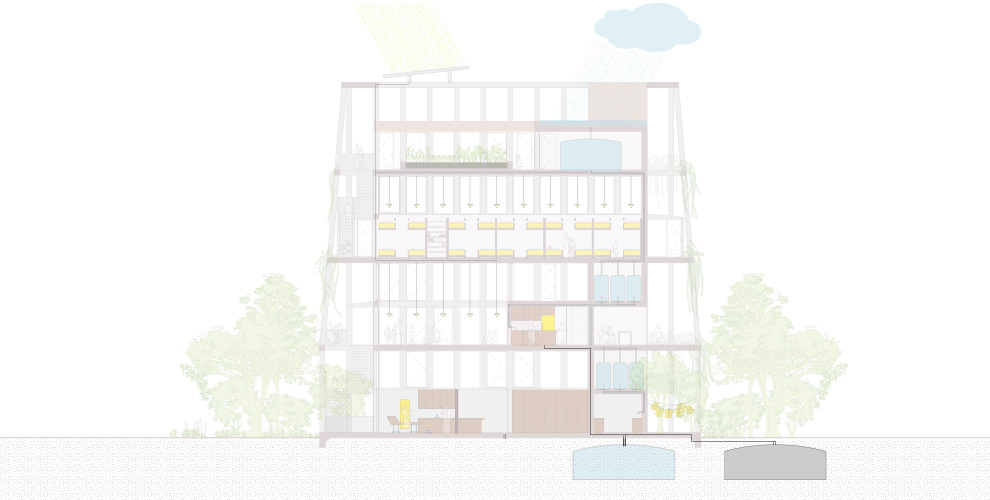
Lali Gurans will produce it’s own fuel resources from the waste black water (toilet waste) in the form of methane. A natural process called anaerobic digestion, or biogas, will be used to separate the methane from the waste. The waste that has excreted the methane (the slurry) will then pass through a natural filtration process to be used in making organic fertilizer, passing through a reed bed and finally producing banana fruit for consumption before is it finally released into the land.
People Involved
Christopher Gish
Chris is the founder of The Seeds of Change Foundation. His mission to help others was conceived through his time spent in a hospital after a traumatic car accident. During his two years of recovery from paralysis, Chris questioned his beliefs and personal direction in life. He made a promise to himself to create a positive change in a world of chaos. After healing he began traveling and volunteering all over the world. Chris felt a special connection to the awe-inspiring Himalayas (sister to the Rocky Mountains, Colorado, where he grew up). Nepal overwhelmed him with sense of peace and his mission in life became clear: he vowed to become a leader in the improvement of Nepali orphanages and better the lives of children.
Kishor Lohani
Kishor Lohani, director of Prakriti Ko Ghar, and dear friend to Christopher, has been involved since the word “manifest” surpassed the word “dream”. Born and living in Nepal, he has been the first Nepali to fully comprehend and support this project. He believes in this project so much that over the past four years he has sacrificed many pain-staking hours to get the project to where it is currently. When the building is complete, he and his organization will take the reigns leading the Nepalese children to a bright future.
MOS
MOS is the New York based architectural practice of Michael Meredith and Hilary Sample. Their design for Lali Gurans has won a 2013 AIA New York State Design Award. Alongside its architecture, MOS makes films, teaches studios, designs furniture and gives lectures.


© 2014 with ❤ Seeds of Change Foundation